The Importance of Financial Planning for Businesses
Financial planning is a crucial aspect of running a successful business. It involves assessing the current financial situation, setting goals, creating a budget, implementing growth strategies, and monitoring financial performance. In this blog post, we will delve into each of these areas to provide valuable insights into how proper financial planning can contribute to the growth and sustainability of a business.
Assessing the Current Financial Situation
Before embarking on any financial planning efforts, it is essential for businesses to assess their current financial situation. This involves reviewing financial statements, analyzing cash flow and expenses, and identifying strengths and weaknesses in the financial structure. By gaining a comprehensive understanding of where the business stands financially, companies can make informed decisions moving forward.
Setting Financial Goals
Once the current financial situation has been evaluated, the next step is to set financial goals. These goals should encompass both short-term and long-term objectives and be aligned with the overall priorities of the business. Creating a realistic timeline for achieving these goals is essential to keep the business on track and motivated to succeed.
Creating a Budget
Developing a budget is a critical component of financial planning for businesses. A well-thought-out budget plan should allocate funds for different business functions, such as marketing, operations, and personnel. Regularly monitoring and adjusting the budget as needed ensures that the business stays within its financial constraints while pursuing growth opportunities.
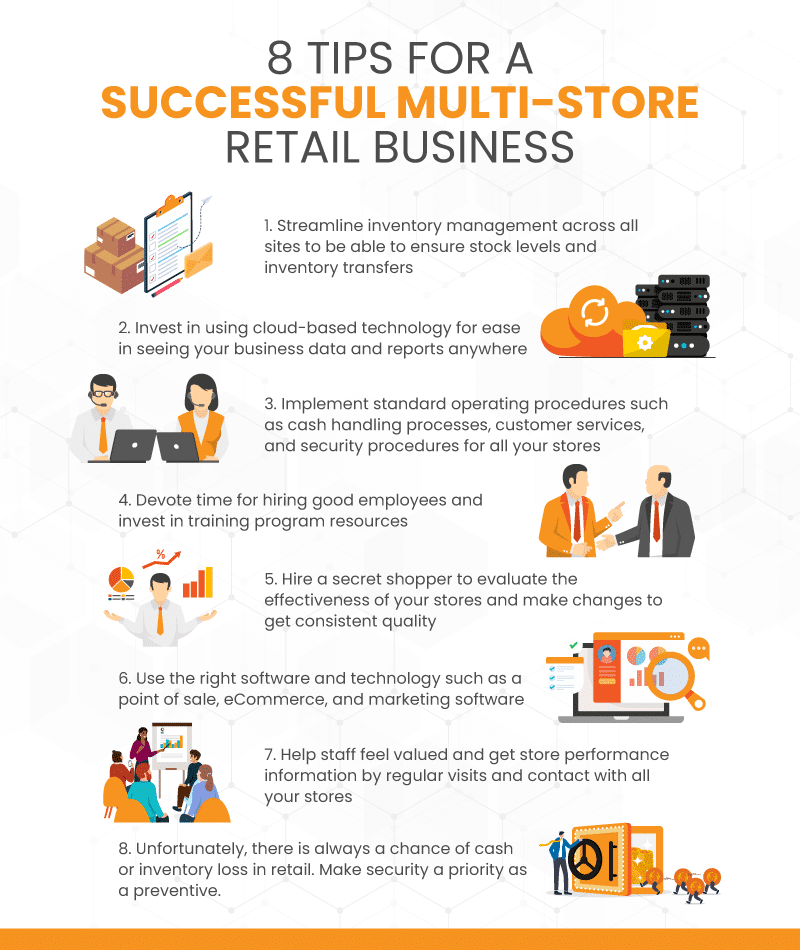
Image courtesy of www.vistaprint.com via Google Images
Implementing Strategies for Growth
Identifying opportunities for revenue growth and implementing cost-cutting measures are key strategies for business success. Whether it involves expanding into new markets or introducing new products/services, businesses must be proactive in seeking avenues for growth. By constantly evaluating and refining growth strategies, businesses can adapt to changing market conditions and stay competitive.
Monitoring and Evaluating Financial Performance
Monitoring and evaluating financial performance is essential to track progress towards financial goals. Regularly reviewing financial reports, comparing actual performance to budgeted goals, and making necessary adjustments are all part of this process. By closely monitoring financial performance indicators, businesses can identify areas for improvement and make informed decisions to drive continued success.
In conclusion, financial planning is a fundamental aspect of running a successful business. By assessing the current financial situation, setting goals, creating a budget, implementing growth strategies, and monitoring financial performance, businesses can position themselves for growth and sustainability. Ongoing financial planning and evaluation are essential for businesses to adapt to changing market conditions and achieve long-term success.
We use cookies to help us improve your experience on our website. By continuing to browse this site or clicking “Accept”, , you agree to our use of cookies. For more information, please see our Privacy Policy.
This website uses cookies to improve your experience while you navigate through the website. Out of these, the cookies that are categorized as necessary are stored on your browser as they are essential for the working of basic functionalities of the website. We also use third-party cookies that help us analyze and understand how you use this website. These cookies will be stored in your browser only with your consent. You also have the option to opt-out of these cookies. But opting out of some of these cookies may affect your browsing experience.
Necessary cookies are absolutely essential for the website to function properly. These cookies ensure basic functionalities and security features of the website, anonymously.
Cookie
Duration
Description
cookielawinfo-checkbox-analytics
11 months
This cookie is set by GDPR Cookie Consent plugin. The cookie is used to store the user consent for the cookies in the category "Analytics".
cookielawinfo-checkbox-functional
11 months
The cookie is set by GDPR cookie consent to record the user consent for the cookies in the category "Functional".
cookielawinfo-checkbox-necessary
11 months
This cookie is set by GDPR Cookie Consent plugin. The cookies is used to store the user consent for the cookies in the category "Necessary".
cookielawinfo-checkbox-others
11 months
This cookie is set by GDPR Cookie Consent plugin. The cookie is used to store the user consent for the cookies in the category "Other.
cookielawinfo-checkbox-performance
11 months
This cookie is set by GDPR Cookie Consent plugin. The cookie is used to store the user consent for the cookies in the category "Performance".
viewed_cookie_policy
11 months
The cookie is set by the GDPR Cookie Consent plugin and is used to store whether or not user has consented to the use of cookies. It does not store any personal data.
Functional cookies help to perform certain functionalities like sharing the content of the website on social media platforms, collect feedbacks, and other third-party features.
Performance cookies are used to understand and analyze the key performance indexes of the website which helps in delivering a better user experience for the visitors.
Analytical cookies are used to understand how visitors interact with the website. These cookies help provide information on metrics the number of visitors, bounce rate, traffic source, etc.
Advertisement cookies are used to provide visitors with relevant ads and marketing campaigns. These cookies track visitors across websites and collect information to provide customized ads.